Designers
Alabama's Grower's Permit and Cottage Food Law, Explained
By the Aevicor team · · 8 min read
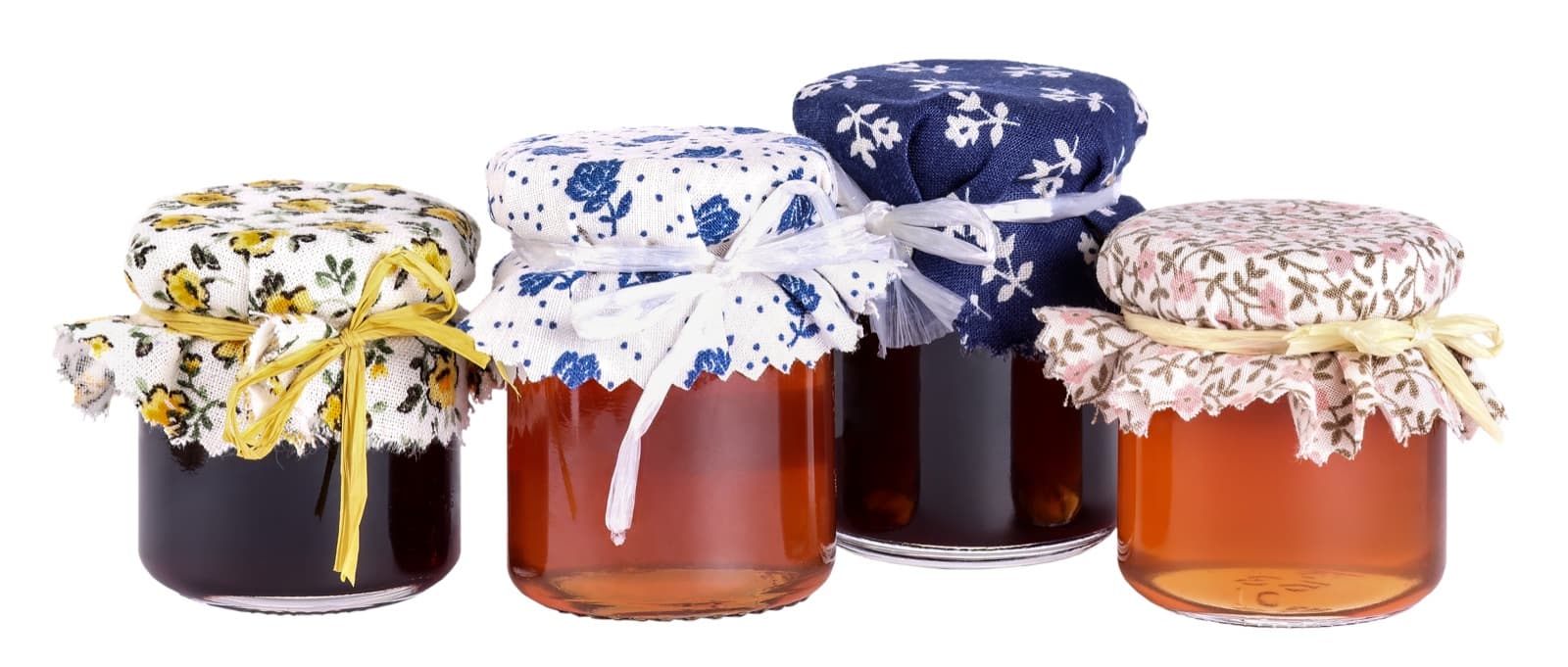
BIRMINGHAM, Ala. — For Alabamians who bake, preserve or grow food at home, the road to selling it legally runs through two documents most people have never heard of. Together they cost $25, and neither requires a lawyer, a commercial kitchen or a storefront.
The first is the state's cottage food certification, which covers food made in a home kitchen. The second is the grower's permit, a free credential for people who sell what they raise. Which one a producer needs — sometimes both — depends on what is in the basket.
A 2021 rewrite opened the market
Alabama has allowed home-kitchen food sales since 2014, but the modern rules date to a 2021 overhaul of the state's cottage food law. The update removed the previous cap on annual sales and, for the first time, allowed producers to sell online to customers inside Alabama, according to the Alabama Department of Public Health. Direct sales remain the rule: home pickup, farmers markets, roadside stands and in-state online orders qualify; wholesale accounts and out-of-state shipping do not.
The cottage food certificate: $25 and a course
The state requires no license and charges no registration fee for a cottage food business. What it does require is training: every operator must complete a food safety course accredited by the ANSI-National Accreditation Board. The Alabama Cooperative Extension System offers the standard version — online or in person — for $25, with a certificate that arrives by email and remains valid for three years. Producers then register free of charge with the environmental health office at their county health department.
Home kitchens are not inspected under the law. In exchange, every product label must identify the producer and disclose that the food was made in a home kitchen exempt from state inspection — the health department's FAQ spells out the exact wording.
What a cottage food designer can make
The law covers foods that are safe at room temperature: breads, cookies, cakes and fruit pies; candies and chocolates; jams, jellies and preserves; honey; roasted nuts and roasted coffee beans; dried baking mixes; and certain fermented or preserved fruits and vegetables that meet an approved acidity level. Meat, poultry and fish are excluded, as is anything that needs refrigeration to stay safe — cheesecakes, cream pies and custards stay off the table.
The grower's permit: free, but in person
Farmers and gardeners selling raw produce need a different document. The grower's permit certifies that the permit holder is the bona fide producer of the crops they bring to market, and it is issued free of charge at any county Extension office. There is no online application: applicants appear in person with a government-issued ID, list the crops they produce and sign a form the office notarizes. The office forwards the permit to the Farmers Market Authority at the Alabama Department of Agriculture and Industries, which keeps it on record.
One permit works statewide — a grower selling in three counties needs only one — and it covers sales at certified farmers markets, roadside stands and festivals. It also covers home-processed goods made mostly from your own crop: a jam qualifies under a grower's permit only when more than half its ingredients came from the grower's own harvest.
The fees, at a glance
Cottage food: $25 for the accredited course, good for three years; county registration is free. Grower's permit: free, renewed through the county Extension office. Total cost to sell both fresh produce and homemade goods legally in Alabama: $25.
Which one do you need?
Tomatoes from your garden: a grower's permit. Sourdough from your oven: cottage food certification. Blackberry jam made mostly from your own berries: the cottage rules govern how it is made and labeled, and the grower's permit lets it ride to the farmers market alongside your produce. When in doubt, the county health department rules on the kitchen and the Extension office rules on the crops — a five-minute phone call to either settles most questions.
Once the paperwork is in hand, designers can open a digital shelf on Aevicor's marketplace — no monthly fees, with FDA-formatted Nutrition Facts labels generated for every listing.
This article is general information, not legal advice. Program rules and fees change; confirm current requirements with your county health department and Extension office before selling.
Explore more guides on the Learn page, or get your free Health Report.