News
Grocery Taxes, SNAP and the Farm Bill: What Changed in 2026
By the Aevicor team · · 7 min read
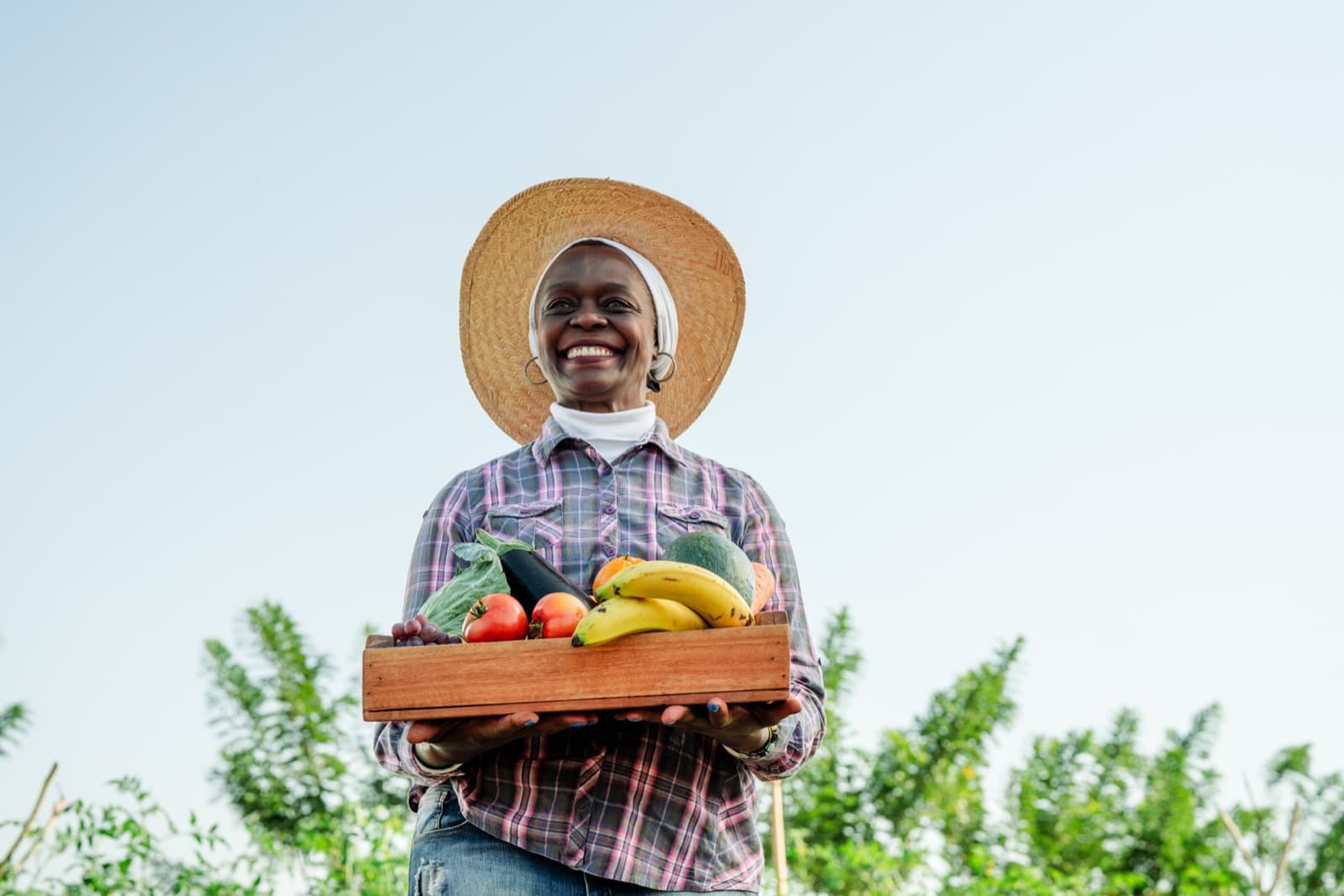
BIRMINGHAM, Ala. — The rules that govern what food costs and who can afford it have shifted more since 2023 than in the decade before. Alabama cut its grocery tax twice and briefly eliminated it, the Alabama House voted to keep candy and soda out of SNAP purchases, and Congress advanced a farm bill that reshapes how food assistance is funded. Here is where each change stands, and what it means at the register.
The grocery tax: 4% to 3% to 2% — and briefly to zero
Alabama entered 2023 as one of the few states taxing groceries at the full state rate. That has unwound in steps: the state's 4% sales tax on food fell to 3% in September 2023, then to 2% on Sept. 1, 2025, under Act 2025-305, according to the Alabama Department of Revenue. This spring the Legislature went further, suspending the state portion of the tax entirely from May 1 through June 30, 2026, under Act 2026-604 — a two-month holiday on grocery staples.
Two caveats matter. City and county grocery taxes are unaffected, so checkout totals still vary by ZIP code. And “food” follows the federal SNAP definition — grocery staples such as produce, meat and dairy intended for home consumption — not prepared or restaurant food.
SNAP: the candy-and-soda vote
The Alabama House voted 75-27 this year to restrict SNAP purchases of candy and soft drinks, joining more than 20 states pursuing federal waivers to narrow what the program covers, as reported by Moneywise. Supporters frame the restrictions as aligning a nutrition program with nutrition; critics counter that they add stigma and complexity at the checkout line without addressing why cheaper calories are so often the least nutritious ones.
Washington: a farm bill with SNAP strings
The U.S. House passed its 2026 Farm Bill in May with Alabama's delegation split along party lines, the Alabama Political Reporter reported. The Senate's June draft retains the SNAP reductions enacted in 2025's budget law, and neither chamber has delayed a provision that will, beginning in October 2027, require states to pay a share of SNAP benefit costs for the first time — as much as 15%, depending on a state's payment error rate, according to Alabama Daily News. The advocacy group Alabama Arise warns the changes could reduce or end food assistance for hundreds of thousands of Alabamians.
What it adds up to
For shoppers, the arithmetic is mixed: state tax relief has made the grocery cart modestly cheaper, while the federal changes point toward tighter assistance in the years ahead. For Alabama's 800,000-plus residents facing food insecurity, the two trends pull in opposite directions.
For local growers and makers, the signal is clearer. Policy is nudging food dollars toward staples and away from processed extras, and every dollar that stays in a shopper's pocket is a dollar that can go to a nearby producer instead of a distant supply chain. Direct farm-to-table channels — farmers markets, roadside stands and cottage food businesses — are positioned to absorb some of that shift.
Figures and legislative status are current as of August 2026. Pending bills change; check the cited agencies for the latest.
Explore more guides on the Learn page, or get your free Health Report.